


 Customer Reviews


Can Dogs Eat Melon? The Complete Safe Fruit Guide

Picture this: you're slicing into a juicy, sun-ripened melon on a warm afternoon, and those familiar puppy eyes lock onto yours. Your dog's tail starts wagging hopefully. But before you share that sweet treat, a question flashes through your mind—*can dogs actually eat melon?* Here's the surprising truth: yes, but there's more to the story than a simple yes or no. While melon can be a refreshing, healthy snack for your furry companion, not all fruits get the green light. Some are nutritious powerhouses that boost your dog's health, while others hide dangerous toxins that could lead to an emergency vet visit. As devoted pet parents, we want to spoil our four-legged friends safely. That's why we've created this complete guide to fruit and dogs—answering your melon question and revealing exactly which fruits deserve a spot in your pup's bowl, and which ones should stay firmly off the menu. Let's dig in.
Can Dogs Eat Melon? The Refreshing Truth About This Summer Treat
Picture this: a scorching summer afternoon, you're slicing into a juicy melon, and those pleading puppy eyes are fixed on you. Before you share that sweet, dripping slice, here's what every dog owner needs to know.
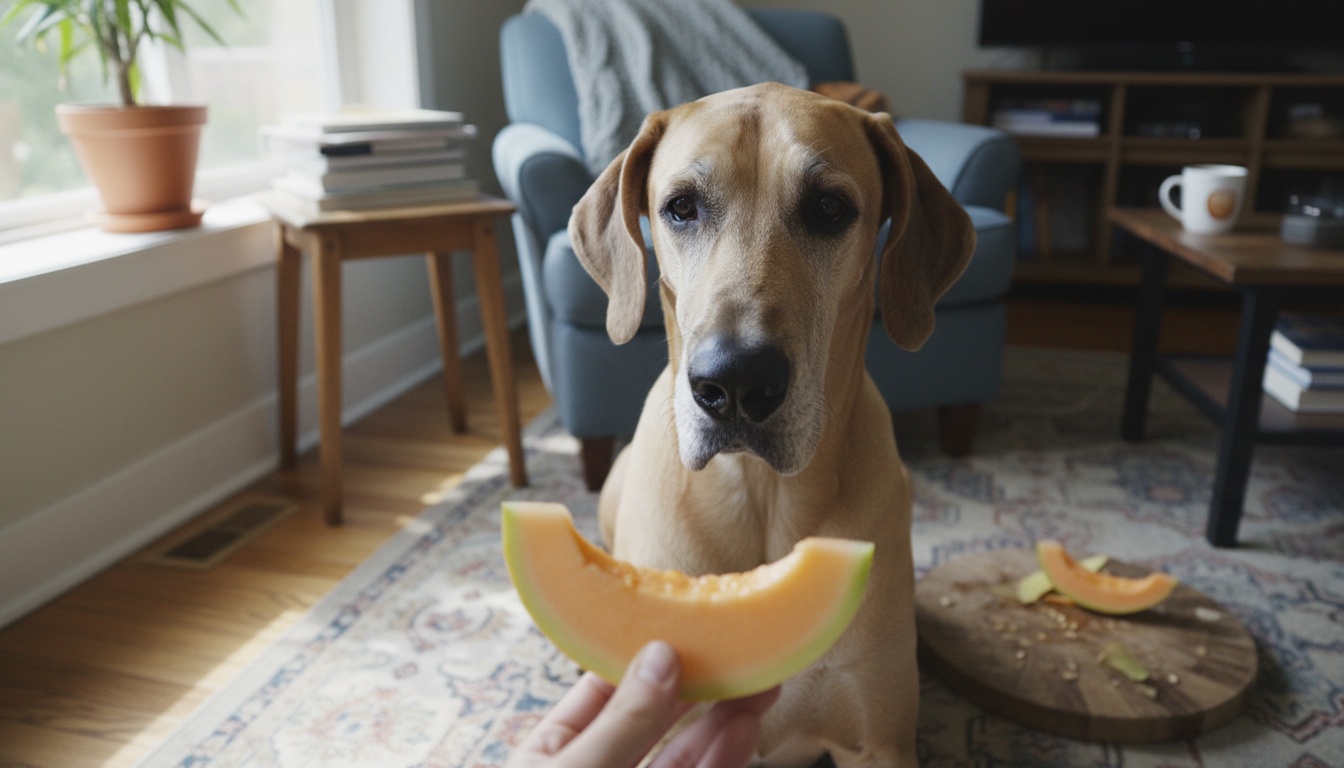
Yes, dogs can absolutely eat melon – and most pups go absolutely wild for it! Whether it's watermelon, cantaloupe, or honeydew, these refreshing fruits pack a nutritional punch that'll have your furry friend's tail wagging for all the right reasons.
Find the perfect personalized dog or cat portrait in our collection!
Discover our collectionHere's why melon makes such a brilliant treat for your four-legged companion:
Hydration hero: With over 90% water content, melon keeps dogs refreshed during hot days
Vitamin powerhouse: Loaded with vitamins A, B6, and C to support immune health and vision
Low-calorie delight: Perfect for pups watching their waistline without sacrificing taste
Digestive support: Natural fibre helps keep everything moving smoothly
But hold on – there's a crucial catch. Always remove the seeds and rind before offering melon to your dog. Seeds can cause intestinal blockages, whilst the tough rind becomes a choking hazard and upsets sensitive stomachs. Stick to the sweet, fleshy part cut into bite-sized chunks.
The golden rule? Moderation transforms melon from a healthy snack into the highlight of your dog's day. A few cubes as an occasional treat beats a whole wedge that might lead to an upset tummy. Your pup deserves the best – including those special moments of sharing summer's sweetest flavours together.
Find the perfect personalized dog or cat portrait in our collection!
Discover our collectionThe Ultimate Safe Fruit List: What Your Dog Can Munch On Without Worry
Picture this: you're slicing up a juicy watermelon on a hot summer afternoon, and those puppy eyes are locked onto every movement of your knife. Good news—you can absolutely share the love! But watermelon isn't the only fruit that gets the green light.
Here's your go-to list of dog-approved fruits that'll make tails wag:
Apples (without seeds or core) – Crunchy, refreshing, and packed with fiber
Bananas – Nature's energy bar, perfect in moderation
Blueberries – Antioxidant powerhouses in tiny, poppable packages
Strawberries – Sweet treats that double as teeth whiteners
Pineapple – Tropical delight (fresh only, skip the can)
Mango – Remove that pit first, then watch the drool fest begin
Oranges – Vitamin C boost, though some pups wrinkle their noses at citrus
Pears – Core removed, these are hydrating heaven
Peaches – Pit-free slices only—the stone contains nasty toxins
The golden rule? Always remove seeds, pits, and cores. These seemingly innocent parts can contain cyanide compounds or pose choking hazards. And remember, fruit should be the supporting actor in your dog's diet, not the star—think 10% treats, 90% balanced nutrition.
Want to immortalize those adorable fruit-begging moments? A personalized portrait from Patoun captures your furry friend's personality in ways a photo never could—whether they're eyeing that melon slice or sporting their signature "please share" expression.
Fruits That Are Absolute No-Gos: Keep These Away From Your Furry Friend
Find the perfect personalized dog or cat portrait in our collection!
Discover our collectionBefore we celebrate all the fruity goodness your pup can enjoy, let's talk about the dangerous ones. Because while you might be wondering can dogs eat melon (spoiler: yes!), some fruits hide serious threats behind their innocent appearance.
Picture this: your dog's giving you those irresistible puppy eyes while you're snacking. But these fruits? They're worth resisting those pleading looks.
The danger list includes:
You may also like

Pet Cremation Cost UK: The Real Price of Saying Goodbye
Losing a beloved pet is one of life's most heart-wrenching moments. Yet amid the grief, there's an uncomfortable...

Signs a Cat is Dying: The Subtle Clues You Must Know
When Does a Goodbye Begin? The Heartbreaking Signs Most Cat Owners Miss** There's a moment every cat owner dreads but rarely talks about—that quiet shift when your feline...
Grapes and raisins – Perhaps the most deceptive culprits. Even a handful can trigger sudden kidney failure. The scary part? Scientists still don't know exactly why, but the consequences can be fatal.
Cherries – That sweet stone fruit contains cyanide in its pit, stems, and leaves. While the flesh itself isn't toxic, one accidental swallow of the pit could spell disaster.
Avocado – Contains persin, a fungicidal toxin that wreaks havoc on dogs' digestive systems. The pit also poses a choking hazard that's simply not worth the risk.
Wild berries – Unless you're absolutely certain of the species, keep your adventurous pup away from foraged finds during walks.
Here's the thing: accidents happen faster than you'd think. A grape rolling off the counter, a cherry pit dropped during a picnic. That's why knowing these warning signs matters just as much as discovering safe options like melon.
Keep this list somewhere visible, share it with family members, and remember: when in doubt, leave it out. Your dog's health isn't worth the gamble.

How to Safely Serve Fruit to Your Dog (Portions, Preparation & Pro Tips)
Find the perfect personalized dog or cat portrait in our collection!
Discover our collectionHere's the thing most dog owners get wrong: they assume fruit is automatically healthy in any quantity. But even the safest fruits can cause upset stomachs if you're not following a few golden rules.
Start with the 10% rule. Treats (including fruit) should never make up more than 10% of your dog's daily calorie intake. For a medium-sized dog, that's roughly a few melon cubes or a handful of blueberries. Smaller breeds? Think even tinier portions.
Preparation is everything. Before serving melon or any fruit:
Remove all seeds and pits – they're choking hazards and some contain harmful compounds
Peel thick skins (watermelon rind, for example, is tough to digest)
Cut into bite-sized pieces appropriate for your dog's size
Wash thoroughly to remove pesticides
The slow introduction method works wonders. Never dump a bowl of fruit in front of your pup on day one. Start with a single small piece and watch for any signs of digestive upset over 24 hours. Some dogs have sensitive stomachs, and what works for your neighbour's Labrador might not suit your delicate Frenchie.
Pro tip from experience? Freeze melon chunks in summer. Your dog gets a refreshing treat, and you get to watch them happily crunch away on a hot afternoon. Just remember: fruit is a supplement to their balanced diet, not a meal replacement. Keep portions sensible, and your four-legged friend will thank you with that tail-wagging enthusiasm we all live for.
The Surprising Health Benefits of Fruit for Dogs: More Than Just a Tasty Snack
Here's something that might surprise you: that juicy slice of melon you're enjoying on a summer afternoon could actually be doing wonders for your furry friend's health. Beyond being a refreshing treat, fruits pack a serious nutritional punch that can genuinely enhance your dog's wellbeing in ways you probably never imagined.
Find the perfect personalized dog or cat portrait in our collection!
Discover our collectionThink of fruit as nature's multivitamin, specially designed with benefits that complement your dog's regular diet. Melon, for instance, delivers a hydration boost that's particularly valuable during hot weather, while simultaneously providing essential vitamins A and C that support everything from vision to immune function. But the magic doesn't stop there.
The natural antioxidants found in many fruits work quietly behind the scenes, fighting off harmful free radicals and potentially slowing down the ageing process. Your senior dog's slightly greying muzzle might just benefit from these cellular defenders. Meanwhile, the dietary fibre in fruits like apples and pears keeps digestive systems running smoothly, which any dog owner dealing with occasional tummy troubles will appreciate.
What makes fruit particularly clever as a canine snack is its low-calorie profile. Unlike commercial treats that can pile on the pounds, a few chunks of watermelon or strawberries satisfy your dog's craving for something sweet without the guilt. Plus, the natural enzymes in certain fruits can even freshen breath and support dental health.
The real beauty? You're not just tossing your dog a snack. You're offering a functional food that nourishes, hydrates, and protects, all wrapped up in a package they'll absolutely adore.
The Sweet Takeaway: Fruit Can Be Your Dog's Friend So, can dogs eat melon? Absolutely—and it might just become their new favourite treat. Watermelon, cantaloupe, and honeydew offer hydration, vitamins, and that satisfying crunch dogs adore, all without the guilt of processed snacks. But here's the real secret: moderation and preparation make all the difference. Remove those seeds, ditch the rind, and serve in bite-sized pieces. Your pup gets a refreshing reward, and you get peace of mind knowing you're making smart, safe choices. Want to celebrate your fruit-loving furry friend in a truly unique way? Transform their adorable melon-munching moments into a stunning personalised portrait at Patoun. Because the best companions deserve to be immortalised—preferably looking as fabulous as they feel after a juicy summer snack.
Frequently asked questions
Yes, dogs can safely enjoy watermelon as a refreshing, hydrating treat that's packed with vitamins A, B6, and C—just make sure to remove all seeds first, as they can cause intestinal blockages. However, the rind is a definite no-go: it's tough, difficult to digest, and can lead to serious stomach upset or even a choking hazard, so always stick to the juicy pink flesh only. Think of watermelon as nature's sweet reward for your pup on a hot day, but keep that green outer layer far away from their bowl.
Grapes and raisins top the danger list—they can trigger sudden kidney failure even in small amounts, and scientists still don't know exactly why. Cherries (especially the pits), avocados, and any fruit containing xylitol are equally hazardous, causing everything from digestive distress to heart problems. If your dog accidentally swallows any of these, contact your vet immediately—speed can make all the difference.
Start with tiny portions—a few small pieces the size of your thumbnail—and watch how your dog's stomach responds over the next 24 hours. Fruit should never make up more than 10% of your dog's daily food intake, which typically means a handful of bite-sized chunks for a medium dog, less for smaller breeds. If you notice any loose stools, gas, or tummy rumbling, dial it back immediately—every dog's digestive system has its own tolerance level.
Puppies can generally enjoy the same dog-safe fruits as adults, but their delicate digestive systems need extra caution—start with tiny portions and watch closely for any tummy troubles. Because their bodies are still developing, it's wise to introduce new fruits one at a time and avoid anything too sugary or fibrous that might overwhelm their sensitive stomachs. When in doubt, your vet can guide you on the perfect fruity treats for your growing furball's specific needs.