


 Customer Reviews


Can Dogs Eat Mushrooms? The Vegetable Safety Guide Every Owner Needs

Picture this: you're chopping mushrooms for tonight's dinner when your four-legged shadow appears, tail wagging, eyes pleading. Those puppy-dog eyes are hard to resist, but should you share? When it comes to mushrooms, the answer isn't as simple as you'd hope. Here's the thing most dog owners don't realise: while some mushrooms are perfectly safe, others can turn a innocent kitchen moment into a veterinary emergency. And the tricky part? The rules that apply to mushrooms don't necessarily work for other vegetables sitting in your fridge. If you've ever wondered whether that portobello slice or those wild mushrooms from your garden pose a threat to your furry companion, you're asking the right question. Because understanding what's safe—and what's downright dangerous—could be the difference between a happy, healthy pup and a frantic midnight dash to the vet. Let's dig into everything you need to know about dogs, mushrooms, and vegetable safety.
Can Dogs Actually Digest Vegetables? The Surprising Truth About Your Pup's Belly
Here's something that might shock you: your dog's digestive system wasn't exactly designed for that carrot you just tossed their way. Unlike us humans, dogs are primarily carnivores with a digestive tract built for processing meat. Their intestines are shorter, their stomach acid stronger, and they lack certain enzymes we take for granted.
But here's where it gets interesting. Over thousands of years living alongside humans, dogs have evolved. They've developed limited ability to break down plant matter, making them what scientists call "facultative carnivores." Think of it as nature's compromise, allowing your furry friend to snack on veggies without immediate disaster.
Find the perfect personalized dog or cat portrait in our collection!
Discover our collectionThe catch? Dogs can't extract nutrients from vegetables the same way we do. That tough cellulose coating around plant cells? Your pup's system struggles with it. This means:
Raw vegetables often pass through mostly undigested, appearing virtually unchanged in their waste
Lightly steamed or pureed veggies become significantly more digestible
Certain vegetables can cause gas, bloating, or stomach upset if given in large quantities
The nutritional value your dog actually absorbs is considerably less than what's technically in the vegetable
Does this mean vegetables are pointless for dogs? Not quite. They can provide valuable fiber, hydration, and low-calorie bulk that helps with weight management. The real question isn't whether dogs can digest vegetables, but rather which ones are safe and how to prepare them properly. Because when it comes to mushrooms and certain other vegetables, digestion is the least of your worries.
The Green Light Veggies: Safe Vegetables That'll Make Your Dog's Tail Wag
Find the perfect personalized dog or cat portrait in our collection!
Discover our collectionPicture this: your furry companion gazing up at you with those irresistible puppy eyes while you're chopping vegetables for dinner. Good news—some of those colorful veggies can actually become healthy treats that'll have your pup doing a happy dance.
Carrots top the list as nature's dental chew toys. Crunchy, sweet, and packed with beta-carotene, they're perfect for maintaining those pearly whites while delivering a vitamin A boost. Serve them raw for maximum crunch or steamed for senior dogs with sensitive teeth.
Green beans work wonders as low-calorie snacks, especially for dogs watching their waistline. Whether fresh, frozen, or cooked (never canned with added salt), these fiber-rich gems keep your dog feeling full without the guilt.
Sweet potatoes transform into soft, digestible treats when cooked thoroughly. Rich in vitamins and minerals, they're gentle on sensitive stomachs and make excellent training rewards when cut into small cubes.
Here's your complete safe list:
Cucumber slices for hydration on hot summer days
Broccoli florets in small amounts (they pack a nutritional punch)
Cooked pumpkin for digestive health
Bell peppers for a vitamin C boost
Zucchini as a mild, gentle option
The golden rule? Always introduce new vegetables gradually, watching for any unusual reactions. Remove seeds, cook harder vegetables until soft, and skip the seasonings—your dog's taste buds prefer nature's original flavors.
Find the perfect personalized dog or cat portrait in our collection!
Discover our collectionThe Danger Zone: Vegetables You Should Never Feed Your Dog (Including That Mushroom Question)
Here's where things get serious. While some vegetables are perfectly safe, others can turn a well-meaning snack into an emergency vet visit. And yes, mushrooms deserve special attention here.
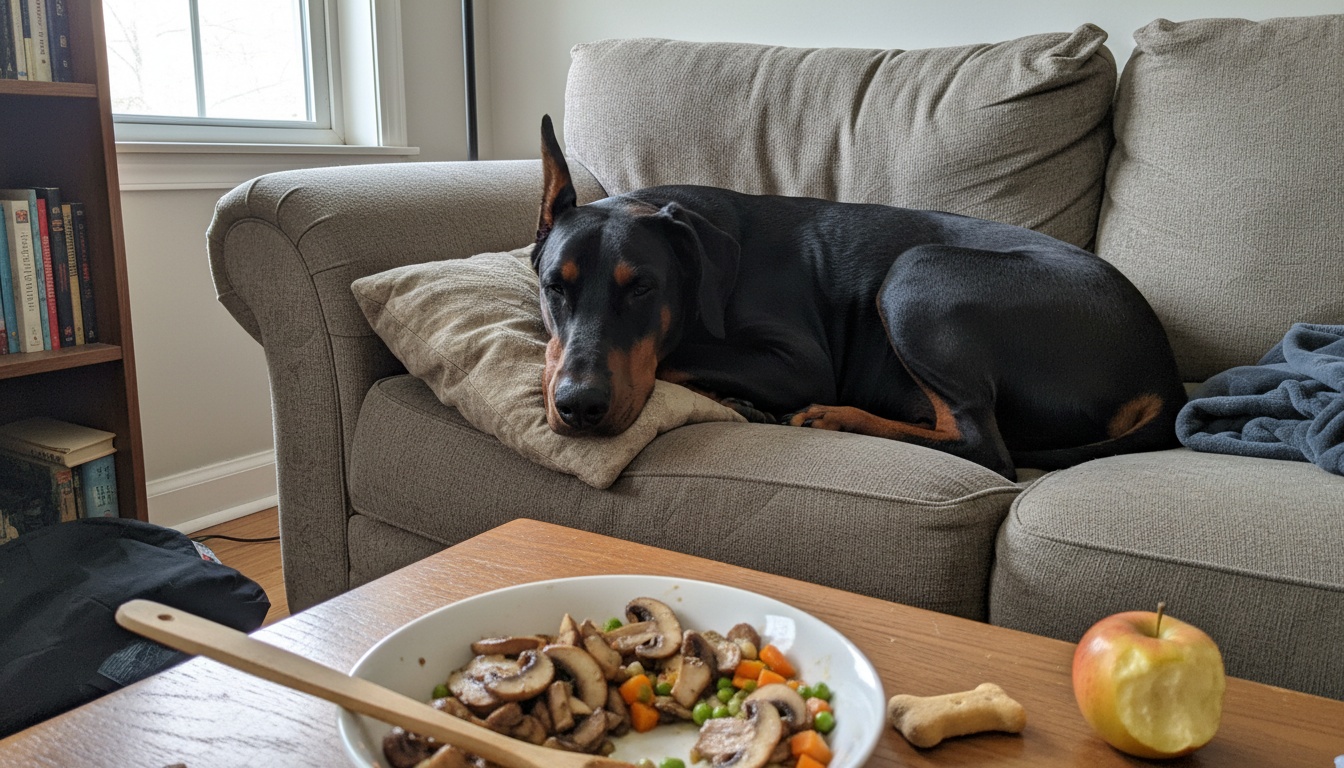
Can dogs eat mushrooms? Store-bought varieties like button, portobello, and shiitake are generally safe in small amounts. But here's the terrifying truth: wild mushrooms are a different story entirely. Even experienced foragers struggle to distinguish toxic species from safe ones, and dogs certainly can't tell the difference. Some wild mushrooms cause liver failure, seizures, or death within hours of consumption.
The safest approach? Assume all mushrooms growing in your garden or on walks are dangerous. If your dog snags one, contact your vet immediately.
Other vegetables that belong on the danger list:
Onions and garlic – These destroy red blood cells, leading to anaemia. Even small amounts over time are harmful.
Leeks, chives, and shallots – Part of the same toxic family as onions.
Raw potatoes and tomato plants – Contain solanine, which causes nausea, tremors, and heart problems.
Rhubarb – The leaves especially contain oxalates that damage kidneys.
Avocado – Contains persin, toxic to many animals including dogs.
The takeaway? When in doubt, leave it out. Your dog's pleading eyes aren't worth the risk of poisoning. Stick to the proven safe options, and you'll both sleep better at night.
Find the perfect personalized dog or cat portrait in our collection!
Discover our collectionMushrooms and Dogs: Why This Common Question Keeps Veterinarians Up at Night
Here's the uncomfortable truth: mushrooms represent one of the most anxiety-inducing foods in veterinary medicine. Why? Because the answer to "can dogs eat mushrooms" isn't a simple yes or no—it's a minefield of variables that can literally mean life or death.
Store-bought mushrooms from your local supermarket? Generally safe in small quantities. That innocent-looking mushroom sprouting in your backyard after last night's rain? Potentially lethal. The problem is that dogs can't distinguish between safe and toxic varieties, and neither can most humans without specialized training.
Veterinarians lose sleep over mushrooms because poisoning cases often arrive too late. By the time symptoms appear—vomiting, diarrhea, lethargy, or worse—the toxins have already begun their devastating work on your dog's liver and kidneys. Some wild mushroom species can cause irreversible organ damage within hours.
The stakes get even higher when you consider this: North America alone hosts over 10,000 mushroom species, and identifying them accurately requires expert knowledge. That mushroom app on your phone? Not reliable enough when your dog's life hangs in the balance.
So before you toss that portobello scrap to your eager companion or panic about the fungi dotting your lawn, you need the full picture. The mushroom question isn't just about what's in your fridge—it's about understanding a risk that's literally growing in your own backyard.
How to Safely Introduce Vegetables Into Your Dog's Diet Without the Drama
Picture this: you've just learned carrots are safe for dogs, so you toss a handful into their bowl. Five minutes later, your furry friend is giving you the stink eye while their stomach makes concerning noises. Sound familiar?
Find the perfect personalized dog or cat portrait in our collection!
Discover our collectionHere's the thing most pet parents miss: even the safest vegetables need a proper introduction. Dogs have sensitive digestive systems, and sudden changes can trigger upset stomachs, diarrhea, or complete food strikes. The secret? Take it slow and steady.
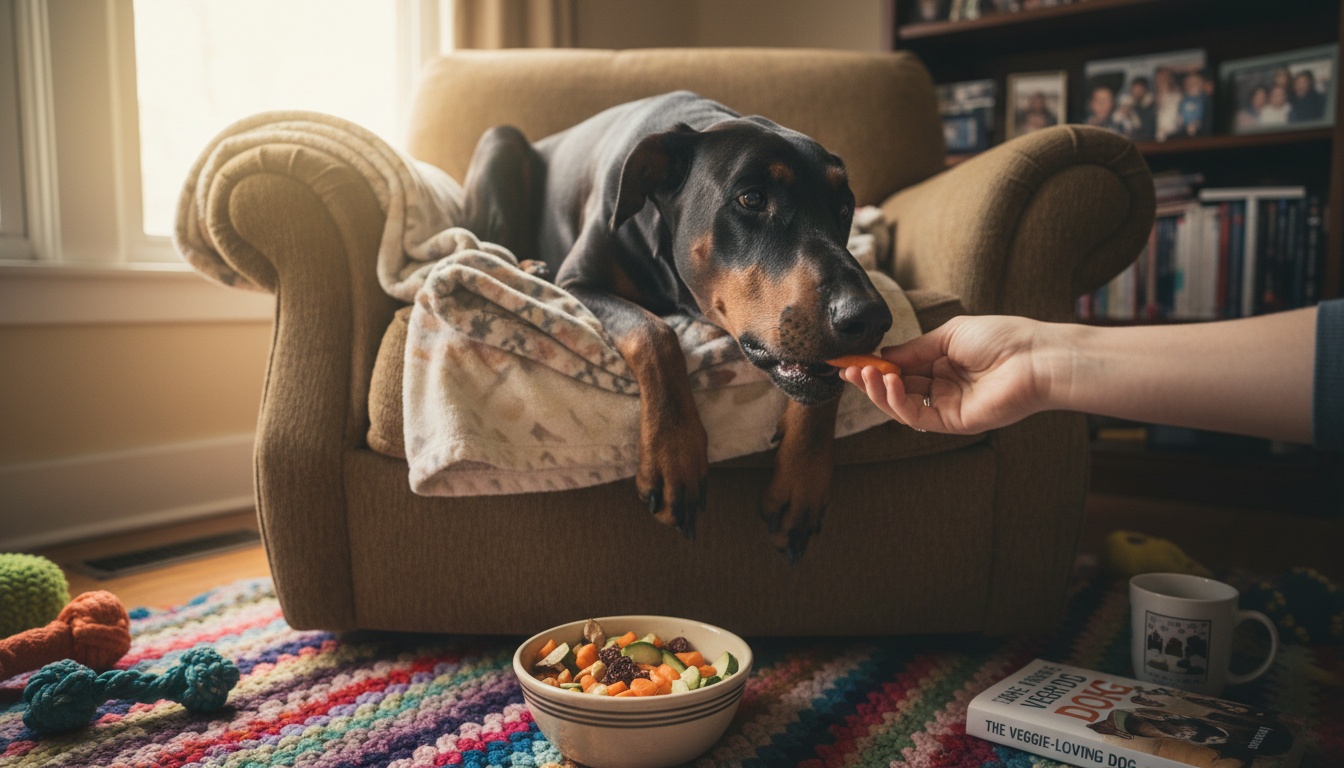
Start with the golden rule: one vegetable at a time. Introduce a single new veggie and wait 3-4 days before adding another. This way, if your dog has a reaction, you'll know exactly what caused it. Begin with tiny portions—think a teaspoon for small dogs, a tablespoon for larger breeds.
Preparation matters more than you think. Always cook vegetables like sweet potatoes and green beans until they're soft. Raw veggies can be harder to digest and pose choking risks. Skip the seasonings entirely—no salt, butter, or garlic. Plain and simple wins every time.
Watch for these telltale signs:
Changes in stool consistency or frequency
Excessive gas or bloating
Loss of appetite or unusual lethargy
Vomiting within hours of eating
Remember, vegetables should never make up more than 10% of your dog's daily calories. They're treats and supplements, not meal replacements. When done right, adding veggies becomes a bonding moment—not a battleground.
Portion Sizes and Preparation Methods That Actually Matter for Your Four-Legged Friend
Find the perfect personalized dog or cat portrait in our collection!
Discover our collectionHere's the thing most dog owners get wrong: they assume if a vegetable is safe, any amount is fine. Not quite. Even the healthiest veggies can upset your pup's stomach when served incorrectly or in excessive quantities.
Start small, always. Think of vegetables as a treat, not a meal replacement. A good rule? Vegetables should make up no more than 10% of your dog's daily food intake. For a medium-sized dog, that's roughly a couple of tablespoons of chopped veggies per day.
The preparation method transforms everything. Raw carrots? Brilliant for teeth cleaning. Raw broccoli? A potential gas factory that'll clear your living room faster than you can say "windows open." Here's your quick-reference guide:
Steam or boil harder vegetables like sweet potatoes, pumpkin, and green beans until soft
Chop into bite-sized pieces to prevent choking, especially for smaller breeds
Never add seasoning – no salt, butter, garlic, or onions (the last two are toxic)
Remove all seeds and pits from fruits and vegetables before serving
Introduce one vegetable at a time and watch for reactions over 24-48 hours
Remember that adorable face staring up at you during dinner? Your dog's digestive system isn't built like yours. What seems like a tiny portion to you might be overwhelming for them. When in doubt, err on the side of caution and consult your vet about the perfect veggie balance for your furry companion's specific needs.
The Bottom Line: Keep Your Pup Safe (and Maybe Frame Their Quirks) When it comes to mushrooms, the safest answer is simple: stick to store-bought varieties in moderation, and keep your dog far away from wild ones. The risk just isn't worth it. While plain button or portobello mushrooms won't harm your furry friend, they offer little nutritional benefit—and one wrong mushroom could mean an emergency vet visit. Your dog's health and happiness deserve the best care and attention. And speaking of celebrating what makes them uniquely them—quirks, veggie-stealing habits and all—why not immortalise their personality in a custom portrait? At Patoun, we transform your pet into art that's as one-of-a-kind as they are. Because the best way to honour your four-legged companion? Keeping them safe *and* celebrating them every single day.
Frequently asked questions
Raw vegetables can be safe for dogs, but cooking them makes nutrients more digestible and easier on their stomach—think of it like unlocking hidden vitamins your pup might otherwise miss. Hard veggies like carrots or broccoli should ideally be steamed or lightly cooked to prevent choking, while softer options like cucumber can be served raw as crunchy, hydrating treats.
Onions, garlic, leeks, chives, and shallots top the danger list—they damage red blood cells and can cause serious anaemia, even in small amounts. Avocados contain persin, which is toxic to dogs, while raw potatoes and green tomatoes harbour solanine that attacks the nervous system. Rhubarb leaves are another hidden threat, containing oxalates that can lead to kidney failure, so keep these vegetables firmly off your dog's plate.
The golden rule: vegetables should make up no more than 10-15% of your dog's daily diet, with the rest coming from quality dog food that meets their nutritional needs. Start with small portions—a few bite-sized pieces for small dogs, up to a handful for larger breeds—and watch how their stomach reacts before increasing amounts. Think of veggies as healthy treats or meal toppers rather than main courses, because while they're packed with vitamins, dogs still need that crucial protein and fat balance that only proper dog food provides.
Puppies can generally eat the same safe vegetables as adult dogs, but portions matter—their tiny tummies need smaller, softer pieces to avoid choking or digestive upset. Always introduce new veggies gradually and cook harder ones like carrots to make them easier to chew, since those baby teeth are still developing. When in doubt, check with your vet first, especially for very young pups whose digestive systems are more sensitive than their grown-up counterparts.